
FAQs
Tell me about the tofu
-
Soybeans (organic) = At your local Asian grocery store or online; for a plastic-free version, we sell them here.
Liquid nigari = If you’re in a pinch, try the lemon juice method! If you’re looking for more nigari, we sell bottles here. We are proud to partner with a Hawaiian salt farm that is committed to sustainable farming methods.
-
The list goes on and on! Here are some benefits:
No single-use plastic wrapping
No preservatives or mystery ingredients
Verifiably organic with sustainably-sourced ingredients
Made from shelf-stable ingredients
Tastes better than store bought
Low cost option for high quality protein - up to 35g of certified organic protein* for $4 of ingredients
*yield dependent on how much soy milk is strained from soybean pulp. Calculation based on grams of protein found in store bought firm - extra firm tofu.
-
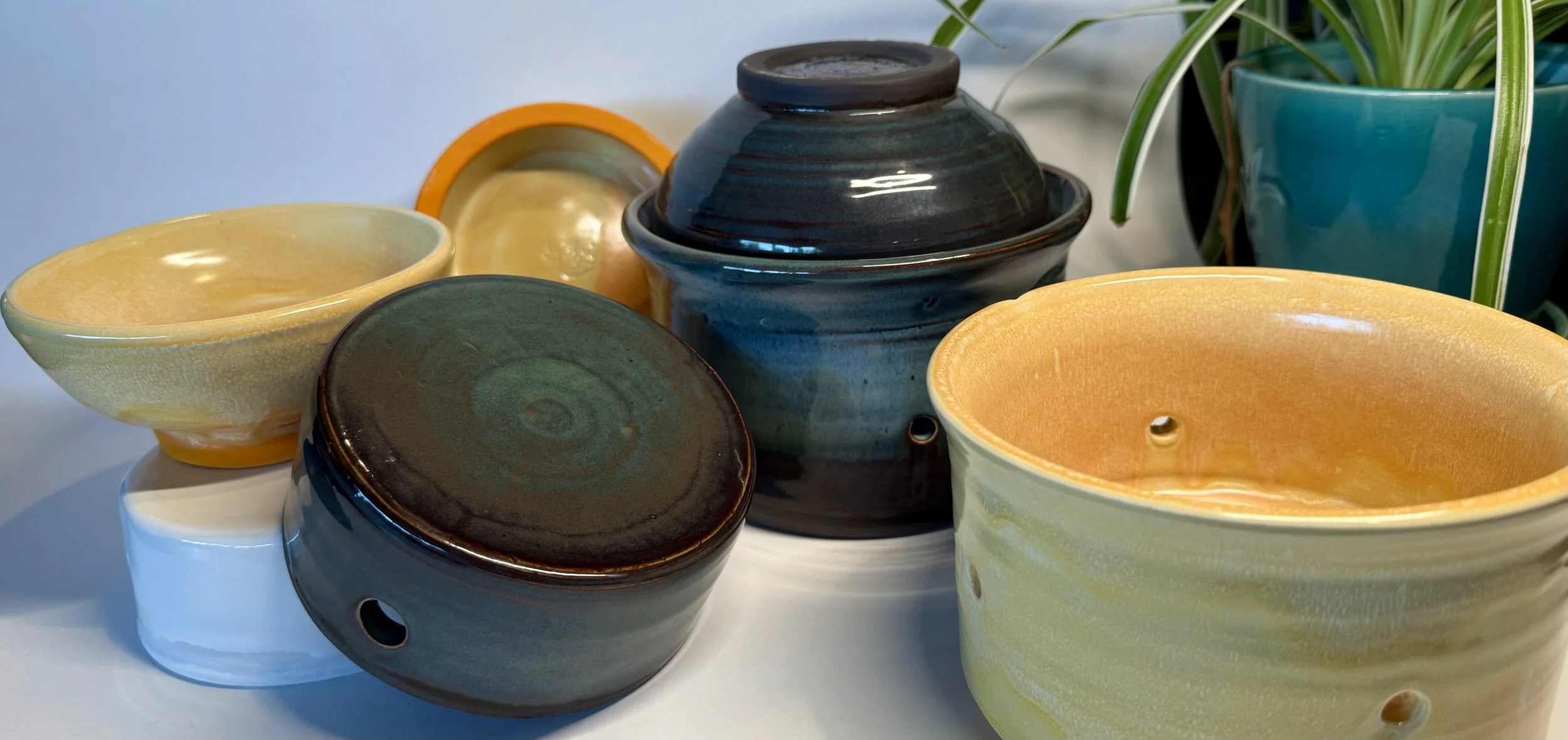
The tofu mold can make medium firm to extra-firm tofu.
Using the nigari, you can make silken tofu in the microwave! See how here, courtesy of our nigari supplier.
-
Two ingredients are necessary: dry soybeans and a coagulant. There are different options for the coagulant; we suggest nigari (aka magnesium chloride, a natural biproduct of the sea salt making process) or an acid (either lemon juice or apple cider vinegar).
-
Nigari is the Japanese word for bittern, the bitter solution left behind from the sea salt making process. When sea salt is made, sea water is left to crystallize, separating the table salt (sodium chloride) from the bittern solution (aka nigari). The remaining nigari is primarily comprised of naturally-occurring magnesium chloride (MgCl2). Nigari is the traditional coagulant used in tofu making, and produces tofu that is smooth and tender yet firm, with an inimitable slightly sweet taste. It is available in liquid and flake form. The bitter taste of the nigari is drawn out from the tofu after it has been pressed in the tofu mold by immersing the fresh tofu in cold water for 10-15 minutes.
Our nigari is sourced from pure, deep ocean water—2,200 feet deep—off the Kona coast of Hawaii. It is then produced through solar evaporation at Kona Sea Salt Farm.
-
Check out our how-to page here.
-
Most of the time in the tofu making process is inactive waiting time, with just 1 - 1.5 hours of active cooking time. Here’s an average breakdown:
6 - 12 hours: Soaking the dry soybeans until they are re-hydrated.
1 - 1.5 hours: Making the tofu (Blend & strain soybeans, boil soy milk, coagulate milk into curds, scoop curds into mold and press).
0.5 - 3 hours: Compressing tofu curds in the mold. (Length of time to taste; longer compression = firmer tofu)
15 minutes: Soak tofu in cold water.
Tell me about the ingredients
-
Our current supplier is Sun Organic Farm. We are so happy we can offer you certified organic soybeans delivered in compostable, 100% post-consumer recycled paper packaging.
-
Our current supplier is Sea Salts of Hawaii. We are so proud to partner with a company that is committed to sustainable farming methods. Sea Salts of Hawaii supplies nigari to chefs making traditional tofu in Japan, Hawaii, and Los Angeles - so you can trust that it is of the highest quality!
Shipping
-
If you purchased an in-stock item, your order will be shipped within 3-5 business days.
If you ordered a made-to-order ceramic item, your order will be shipped as soon as it is ready (current lead time is approx. 1-4 weeks).
-
We are committed to no waste! This includes not making more pieces than the world needs. While ceramics is far more sustainable than plastic, and can be repurposed if needed (i.e., a planter, mosaic tile), fired ceramics are like rocks or glass, and take millennia to erode away.
-
Reach out to us via our contact form found here. We will get back to you as soon as we can.
-
We do our best to use fully compostable, plastic-free packaging (including the tape!). When possible, we reuse shipping boxes and supplies that we have received. We also pick up and reuse packaging materials from local small businesses.
Can’t find your question here?
Reach out to us via our contact form here or email us at support@thetofustop.com and we will get back to you as soon as possible. Thanks!