
Our Mission
The Tofu Stop grew out of a simple wish for a plastic-free and preservative-free plant-based protein.
We strive to exemplify our mission of enabling health-first living: each kit is stocked with certified organic ingredients and materials.
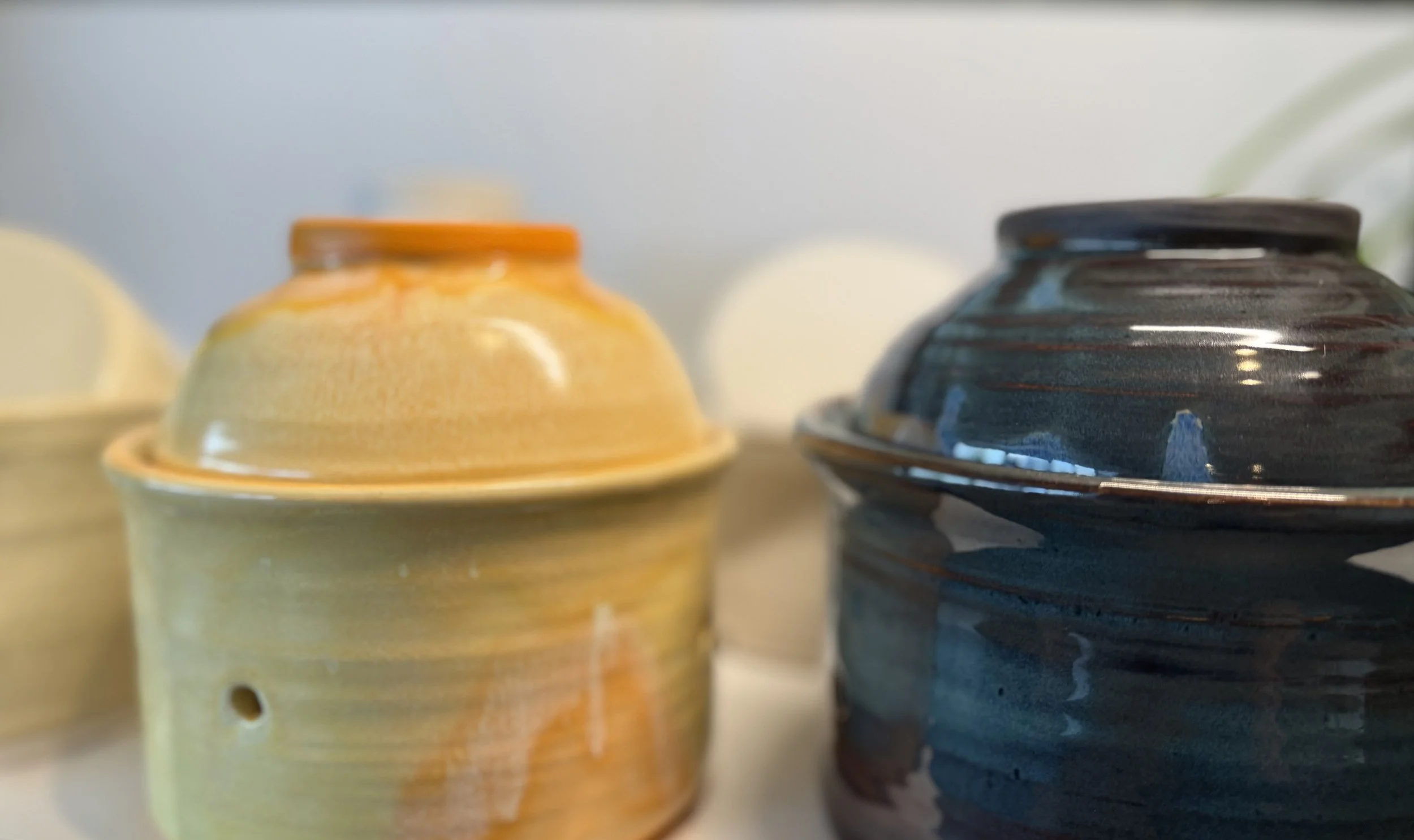
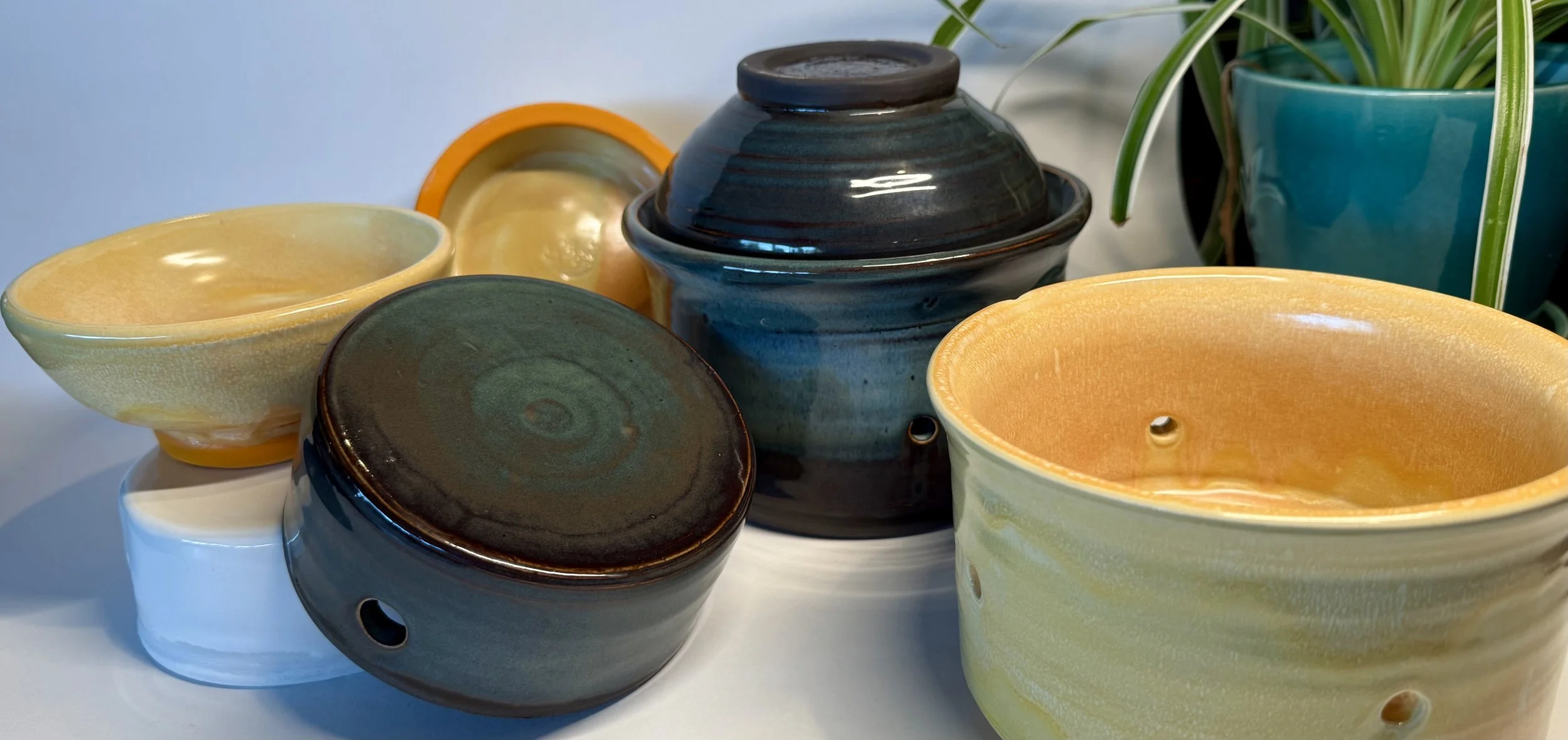
Our commitment to functional beauty speaks for itself: each piece is lovingly handmade and unique from the next.
All goods are handmade, packaged, and shipped with care from San Diego, CA.
Who We Are

Wren Ponder
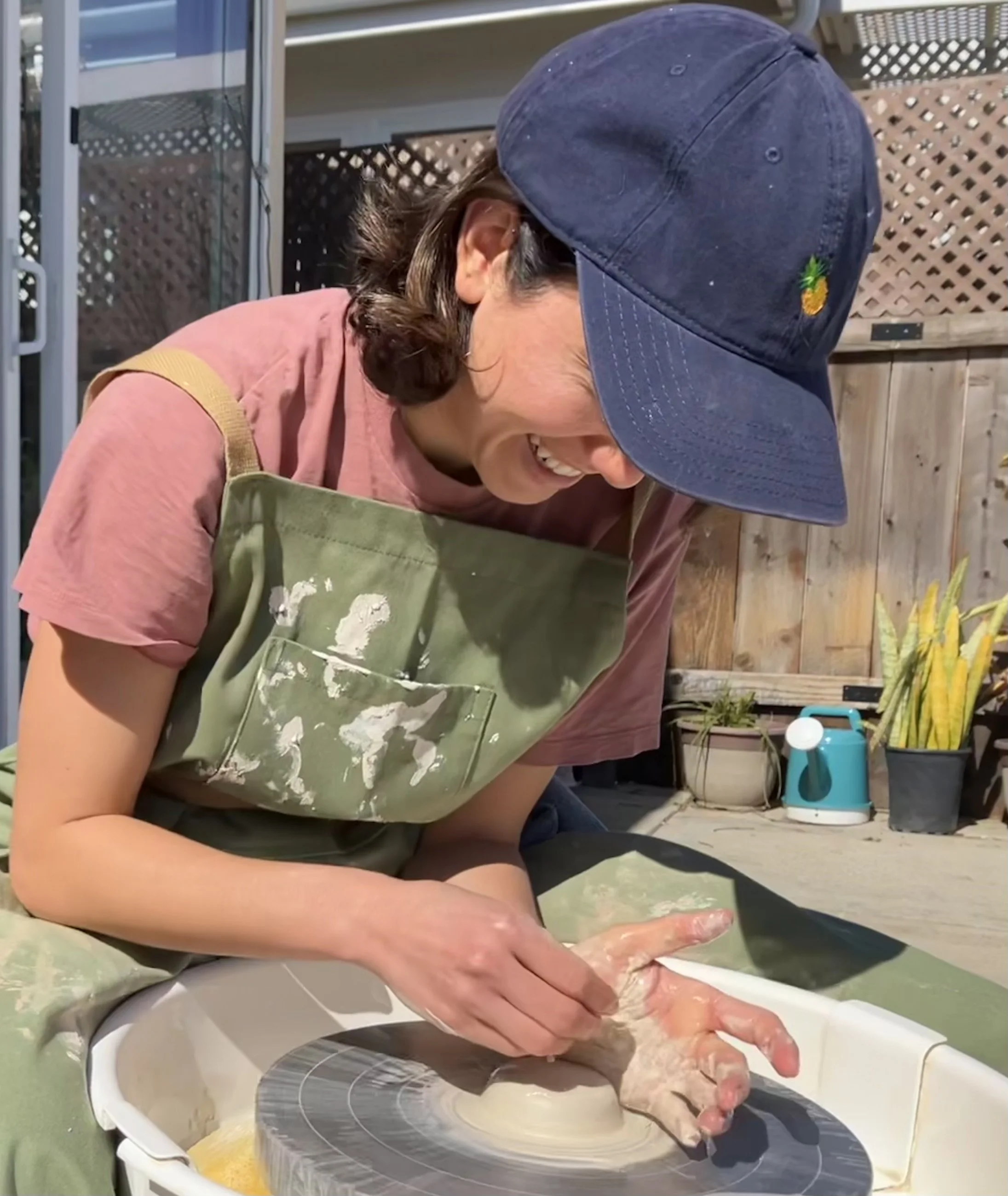
Leveraging her experience as a former corporate strategy consultant, Wren works to expand her vision of a world where we don’t need to consume plastic to enjoy plant-based protein. Her passion for throwing pottery led to the original Tofu Mold design — the first ceramic tofu mold on the market!
When not running the business, you can find Wren camping in the desert or on a silent meditation retreat.
Founder
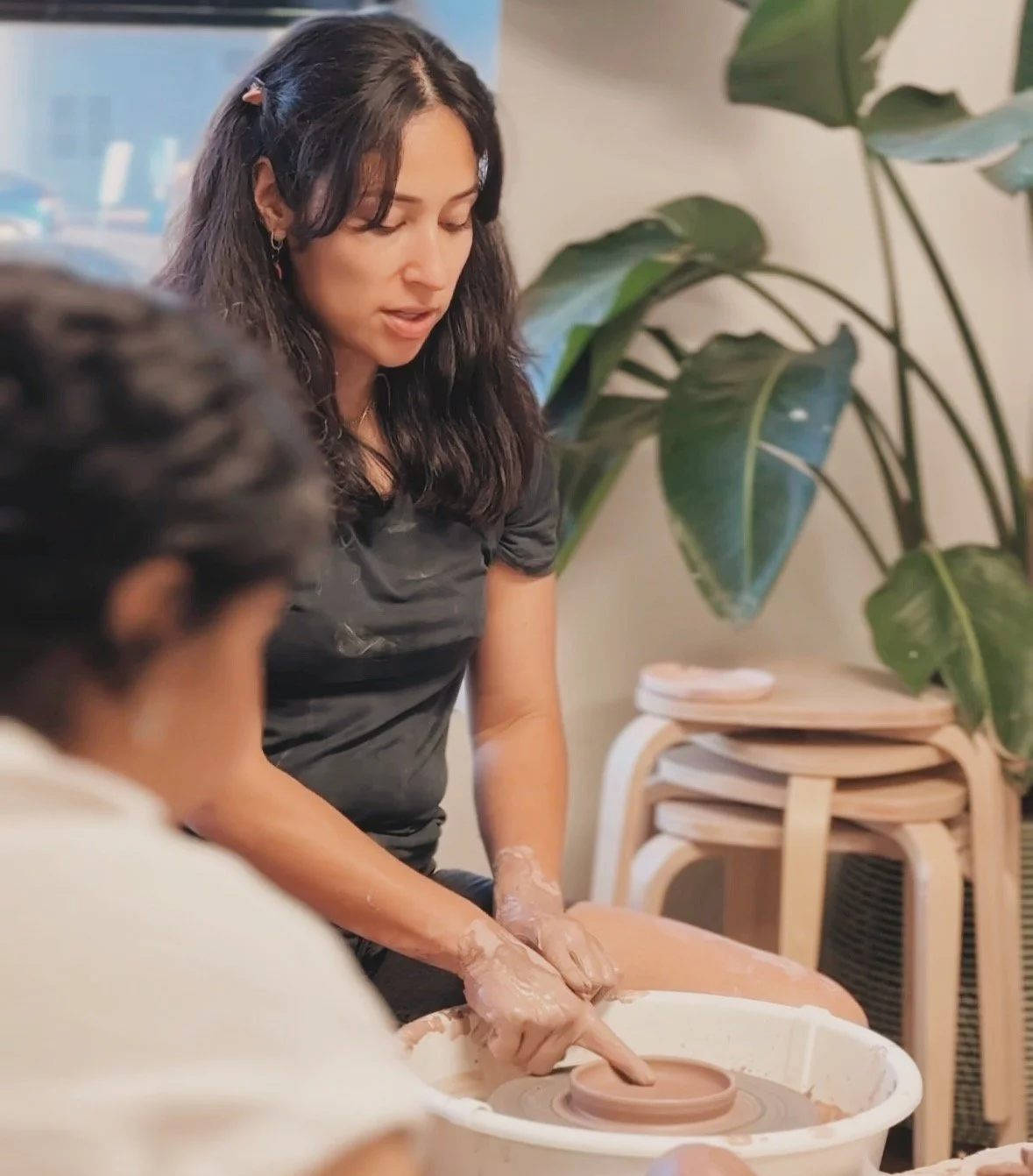
Clay has completely reshaped Brie’s path. She began her pottery journey in August 2022 and has since made a full-time leap into life as a ceramic artist and educator after 12+ years in corporate. Brie brings precision and care to each piece she makes, ensuring each tofu mold is of the highest quality.
In her free time, Brie enjoys walking to the beach and going to the library. You can check out her work on her Instagram!
Briena Chavez
Ceramicist
Our Story
Hi, I’m Wren, founder of The Tofu Stop. If you really want to know how this all came about, here’s the story…
As a dairy-free, gluten-free vegetarian, I was going through tofu seriously fast. When I began to work on reducing my plastic waste, I realized my trash can was filled almost exclusively with tofu packaging. I looked into waste-free alternatives in stores, and there were no options. That’s the moment I decided to take action; I was certain that tofu eating need not be tied to single-use plastics.
I decided the most immediate viable option was to try making my own tofu. I hadn’t heard of tofu-making as a widespread, regular cooking routine in the US, nor had I seen fresh tofu at local farmer’s markets. Why weren’t more people doing this?
I began looking into homemade tofu recipes, and set out to my local Asian and wellness grocery stores for the ingredients and supplies. I quickly found that two critical components—the traditional coagulant and the tofu mold—could not be found in stores. Online options for the tofu mold were limited; a majority were made of plastic, and many of the wooden options were made with glue. I made up my mind to make the tofu-making process accessible and convenient for everyone, all without plastic.
I set about creating a low-waste, aesthetic kit with everything needed to make organic tofu. The question arose of how I would supply a tofu mold that was low waste in the creation and shipping process. I turned to the medium I know—ceramics—to make something both functional and beautiful. After many months of recipe refinements and many iterations of tofu mold designs, the kit as it stands today finally came together.
In addition to the sustainability-related benefits, just $4 of ingredients can produce a tofu block with up to 35g of protein. It also tastes better than store bought — once you start eating homemade tofu, it’s hard to go back!
The phrase “drop in the bucket” usually implies that a small action does not have enough impact to make meaningful change. I disagree. Change, more frequently than not, is driven by accumulated small efforts, just as the imaginary bucket is filled with individual drops. Each time you make tofu, that is one less plastic container in the landfill. To create change, a single action doesn’t need to be big — it just needs to be a step in the right direction.
Thank you for supporting this hapa woman-owned small business!